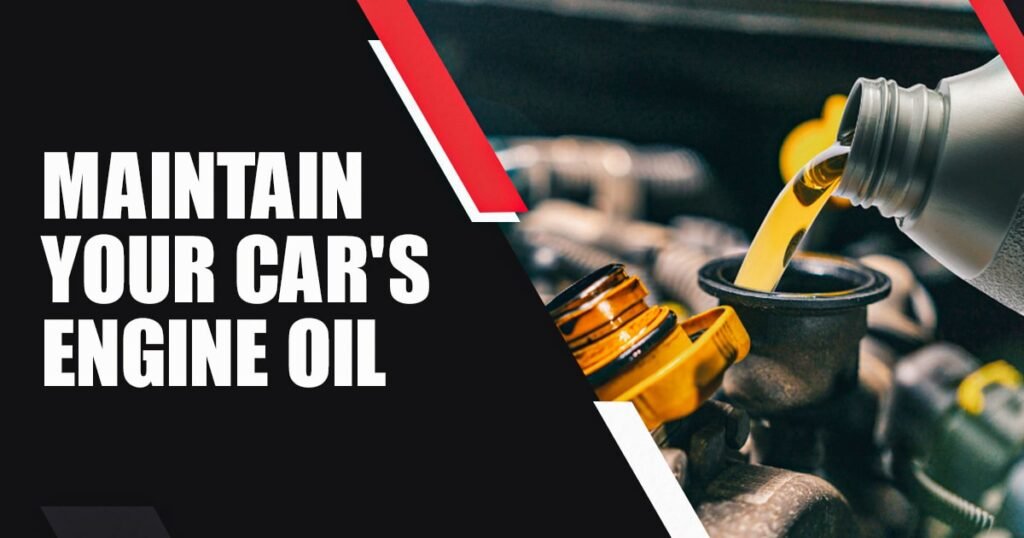
Under the scorching 50°C Dubai sun, your engine isn’t just running—it’s surviving a trial by fire. To keep your ride from succumbing to thermal breakdown and abrasive desert sand, mastering car oil change tips is your best defence.
In this blog, you will get tips on car oil change every driver must know in Dubai, as well as types of car oil and also the cost of the car oil changing process. At the end of this in-depth guide, you will have a proactive approach that will save you thousands of dollars in repairs and increase your car’s resale value in the cutthroat Dubai market.
Why Regular Oil Changes Matter in Dubai
When oil is heated to a high temperature, the chemical bonds in the oil start to deteriorate, and the oil becomes thinner, losing its ability to coat engine components. This is known as “thermal breakdown,” which means that even if you have not yet reached your mileage limit, your oil may no longer be protecting your engine. This is one of the most important car oil change tips that every car owner should know in Dubai: heat will destroy oil long before the mileage is reached.
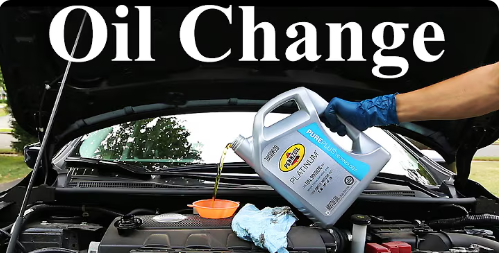
5 Top Oil Change Tips Every Driver must Know
1.Pre-Oil Change Checklist
Before you even drain the old fluid, there are some things you should do to make the process as effective as possible. First, always warm up the engine a few minutes before you change the fluid. This is because warm fluid drains more easily and removes more contaminants than cold fluid. In addition, you should take a quick look around the undercarriage of the car for any signs of leaks. These car oil change tips are essential for every driver in Dubai.
2.Choosing the Right Oil for Your Car
Based on the car oil change tips, every driver must know in Dubai
The Three Main Types of Oil
- Conventional Oil: The budget choice. While it may be easy on the wallet, it is also the most volatile. In the UAE climate, it breaks down quickly, losing its lubricating qualities much faster than other oils.
- Synthetic Oil: The best choice for Dubai. It is chemically formulated to resist extreme heat and is much better at preventing “sludge” (the gooey substance that kills engines).
- Semi-Synthetic Oil: A combination of the two. While it provides better protection than conventional oil at a lower cost than synthetic oil, it still does not provide the ultimate heat protection of a 100% synthetic oil.
3.Understanding Viscosity Ratings of oil
When you examine a bottle and notice the ratings, such as 5W-30 or 10W-40, you are essentially checking the flow of the oil.
•The “W” (Winter) Number: This is how well the oil flows in the cold. This is very important in Europe or North America, but not as much in the desert.
•The Second Number: This is your “Dubai Number.” This measures the flow of the oil when it is hot. The higher the number (such as 40 or 50), the more it will remain thick when the engine is revving like a maniac.
4. Check the Oil Levels Regularly
Every now and then, take a moment to peek at the oil level or ask profssional car service to check for catching low amounts early , which helps avoid trouble later. A thin metal stick under the hood shows what’s going on inside. When the mark runs short, pouring in more buys time. Yet nothing beats swapping it out when the schedule says so, keeping everything running smooth.
5.Ideal Oil Change Interval for Dubai Drivers
Baked under desert suns, cars in the UAE face tougher conditions than most factory guidelines account for. Because city driving means constant braking and restarting, oil breaks down faster here. Heat pushes every drop beyond its limit, so waiting until 10,000 kilometres can be too late. Staying ahead protects what matters – how smoothly it runs years down the road.
Distance Severe Conditions Rule
- Though 10,000 km sounds possible on paper, actual driving in the Emirates puts added stress on your engine – sitting still in traffic jams, for example, or moving fast along the E11. Not every stretch of road tests parts the same way.
- Fifty hundred kilometres marks the starting point – keep going up toward seven thousand before swapping out the oil. Replacing it within that window works well most times. Hitting five K early? Fine too. Stretching past seven isn’t ideal. Staying between those limits helps things run smoother longer.
DIY vs. Professional Service
Although doing the oil change yourself can be an economical move, there are benefits to having it done professionally in Dubai. There are equipped workshops that have the facilities to dispose of the used oil in the crrect manner, which is a must in the UAE, and they also have the expertise to identify secondary problems, such as worn-out belts or low coolant levels. But if you decide to do it yourself, make sure you are using a good quality filter. The most common mistake is using a good-quality oil and a low-quality filter.
Cost Factors in Dubai
A typical oil change in the UAE doesn’t come with a fixed price – what you pay shifts based on several details. While synthetic oil runs pricier upfront, its extended lifespan can save money over time compared to regular oil. Shops in places like Al Quoz might charge less than official dealerships, simply due to lower overheads. What matters most? Where you go and which oil goes into your engine.
When temperatures drop, some garages slash prices just when most drivers ignore maintenance. A few workshops run special offers labelled “Summer Ready,” bundling fresh oil with lower tags. Hidden value often shows up in bundles – some toss in a full 20-point inspection at no extra charge. Savvy owners in Dubai watch for these combos instead of paying per task.
Conclusion
Hold on to those high standards. Write everything down neatly. Chase top-tier engine fluids – cost shouldn’t steer you wrong. Peek at DubaiCars if you want local updates about vehicles across the Emirates. YallaTyre spills details when it comes to mechanics and specs. Skip waiting for red lights to flash on the dashboard. Get in front, take charge before things heat up under the hood. Let the desert burn outside while cold precision hums beneath the bonnet.
Call to Action (CTA)
Burning through Dubai’s summer heat takes more than luck. A healthy engine needs attention before temperatures rise. Skip the guesswork by booking an oil change now through a reliable neighbourhood mechanic instead. Trusted care means fewer surprises down the road after each visit.
Got something to say? If you’ve picked up useful tricks for changing car oil in Dubai, we’re listening. Maybe there’s a garage in Al Barsha you always go back to. You can know about Al Barsha by clicking on it. Or maybe one type of oil just works better than others. Drop your take right under here. Pass it on too – other drivers across the UAE might find it helpful. Keeping cars going is easier when everyone shares what they know.
FAQ
What does an oil change cost for a vehicle in Dubai?
Sometimes it costs as little as AED 150, though going beyond AED 600 happens when choosing top-grade synthetic oil instead. Pick a high-end service hub or official dealership, then expect steeper charges without question. Cheaper options? Try local garages – spots like Al Quoz or Sharjah often come in lighter on price tags. Fresh oil filter included every time, along with a quick look at key safety points under the hood. Costs shift based on where you go and what kind of fluid goes into the engine.
How often should car oil be changed?
A fresh oil change every six months matters more in Dubai, thanks to the scorching heat and constant dust. Heat speeds up oil breakdown, so its ability to protect engine parts drops more quickly than expected. When city driving means endless stop-and-go moments, that stress adds up – replacing oil sooner helps avoid wear. Timing sometimes counts more than miles on the clock.
What distance works before needing fresh oil?
Most modern cars using synthetic oil might go between 10,000 and 15,000 kilometres before needing a change. Yet in Dubai, plenty of mechanics suggest sticking to 5,000 to 7,000 just to keep the engine running longer. Checking the vehicle handbook helps – especially the section labelled for harsh driving scenarios, something common across the UAE. Watching the oil life message on the dashboard gives a clearer signal than guessing by distance alone.
What not to do during an oil change?
A fresh oil change loses its benefit if the old filter stays behind – grit sneaks right back into clean fluid. Skipping the proper fill level brings trouble either way: too much causes pressure spikes, too little invites metal-on-metal wear. Pouring spent oil down sinks harms nature and breaks laws here; leave disposal to approved channels.