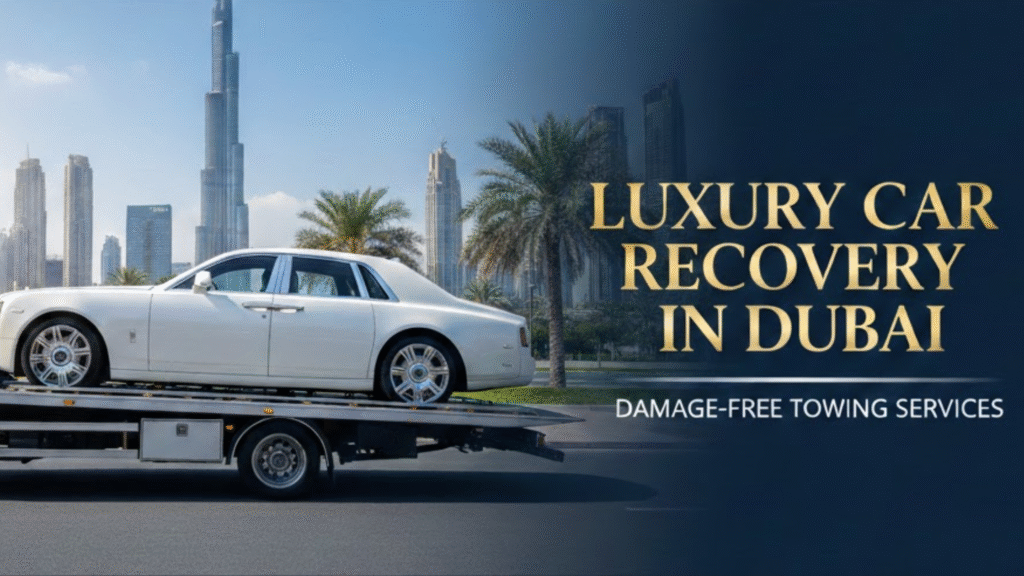
Your dream car has finally touched down at Jebel Ali Port, the desert sun reflecting off its hood as the container opens. After months of anticipation, your prized possession is officially on UAE soil and ready for the open road. Mastering how to import a car into Dubai is the final step before you’re cruising the Burj Khalifa skyline.
If you are wondering how to import a car into Dubai in 2026, this comprehensive guide will walk you through every regulation, document, and fee involved to ensure your car reaches your driveway without a hitch.
Know the Regulations – How to Import a Car into Dubai
Knowing the rules in the UAE matters before reserving a shipping container. Safety and care for nature drive the standards set for 2026

UAE Import Laws
The financial side is the first thing that you need to consider when learning about how to import a car into Dubai. As of today, there is a standard 5% customs duty imposed on the value of the car. There is also a 5% Value Added Tax (VAT) that is required. One thing to remember: VAT applies to the CIF value along with any customs duty. That acronym means Cost, Insurance, Freight – everything packed in. Older car models once skipped some charges, yet rules have shifted. By 2026, changes are likely to arrive. The UAE adjusts taxes regularly, matching worldwide patterns without delay.
Emission and Safety Standards
The UAE is at the forefront of green projects. As of 2026, all imported vehicles in the domestic market have to adhere to very stringent emission standards. The majority of new registrations will require a minimum of Euro 6b standards. In addition, if you are importing a vehicle that was not designed for the Middle East market in the first place, you may require a GCC certification. You can visit it for the GCC certificate.
Age Restrictions
For Dubai to retain high safety standards on the road, it is usually required that all used cars imported must be less than 10 years old. Although some used car dealers import cars that are less than 5 years old for easy resale, private importers have little leeway. If you are a car buff considering a vintage car, vehicles over 30 years old can be imported as “classic cars” after passing certain RTA inspections.
Gather the Paperwork – How to Import a Car into Dubai
Documentation is the key to the import process. Without a single document, costly delays can be incurred at Jebel Ali Port.
Personal Documents
As the importer, you will need to provide evidence of your legal status in the UAE. You will require:
- A copy of your Passport.
- Your UAE Residence Visa or Emirates ID.
- A copy of your entry permit (if your residency is still being processed).
Vehicle Documents
To validate ownership and the car’s history, you will need to provide the following documents:
- Original Registration/Title: This will validate that you are the owner of the car in the country of origin.
- Bill of Sale: This is a commercial invoice that indicates the exact amount you paid for the car.
- Certificate of Origin: This document validates the country of manufacture of the car.
- Export Certificate: This document is issued by the traffic authority in the country from which you are shipping.
Shipping and Customs Forms
Once the car is on the water, you will receive commercial documents such as the Bill of Lading (your receipt for the cargo) and the Packing List. Finally, you must complete the Import Declaration Form and the Customs Valuation Sheet through the Dubai Customs website.
Choose a Shipping Method for importing a car into Dubai
How your car travels across the ocean determines both the cost and the level of protection it receives.
Port Options
Few places handle cargo like Jebel Ali Port in Dubai – it leads the region in size and tech upgrades. Most who ship cars to Dubai wind up here, drawn by quick paperwork and room to move loads. Yet if your path leans east or south, Khalifa Port near Abu Dhabi might fit better. Then again, Fujairah Port offers another option when coming from certain sea lanes.
Container vs. Roll-on/Roll-off (Ro-Ro)
- A metal box – either twenty or forty feet long – holds your car during shipping. Sheltered inside, it stays safe from weather, rain, and dust. Stuff personal items within the vehicle if needed. Protection like this costs extra. Worth considering when moving valuable or vintage models.
- Driving your car onto a vessel marks the start of Ro-Ro transport. Ships built for wheels handle these loads daily. Cost drops when your vehicle fits common sizes. Journeys from European ports stretch three weeks on average. A firm hold secures the car mid-voyage. Longer waits happen, up to a month sometimes.
Selecting a Freight Forwarder
Pick someone reliable, not just cheap. Experience matters when dealing with UAE customs rules. Door-to-door service means they handle everything – from your home yard to Dubai’s inspection zone. That kind of support usually comes from trusted agents. Protection for your vehicle should include full marine coverage – no exceptions.
Customs Clearance in Dubai
Once the ship docks, the “clearing” phase begins. This is where your preparation pays off.
Submitting the Import Declaration
The contemporary solution for this is the Mirsal II system, which is administered by Dubai Customs. Most people who import goods personally engage the services of a clearing agent for this purpose. The agent will electronically submit your documents, and a declaration will be created.
Paying Duties and VAT
As already stated, you will be charged 5% customs duty and 5% VAT. However, in case you are importing a car for the first time under the “Transfer of Residence,” you may be eligible for some exemptions, but these are strictly governed and will require you to have owned the car for at least six months before importing it.
Vehicle Inspection
Once forms are finished, off goes the car to a Customs Inspection Centre. At this spot, officers examine the VIN, engine number, plus overall state – matching them against documents on file. When checks line up, a Release Order arrives, along with a Gate Pass tucked beside it. With those in hand, walking the vehicle out of the port becomes possible.
Register and Insure Your Car
Congratulations, your car is now physically present in Dubai! However, you cannot drive it on the roads yet. You have to make it official through the Roads and Transport Authority (RTA). You can visit it.
First, you have to register your car at an RTA centre. You will need your Emirates ID and your customs clearance documents. Second, you have to get compulsory insurance. In Dubai, you have two options: third-party liability insurance or comprehensive insurance. Many insurance companies now offer online quotes tailored for imported cars. Just make sure they know your car’s exact make and model.

Finally, your car has to pass the RTA roadworthiness test. This is a technical inspection where they check your brakes, lights, steering, and emissions. If your car passes, you will pay the registration fees and get your Number Plates. You can opt for regular plates or bid for “distinguished” (fancy) plates if you want to give your car some Dubai personality.
Pro Tips for a Smooth Import
When you are trying to import a car to Dubai, it is the little things that count.
- Do: Hire a customs broker. They will be familiar with the “ins and outs” of the Mirsal system and can save you days of frustration.
- Do: Steam clean the undercarriage of your car before shipping. Customs in most countries, including the UAE, are very particular about dirt and organic material to prevent the spread of pests.
- Don’t: Try to save money by undervaluing your car. Dubai Customs has very sophisticated databases that check market values. If they catch you, you could face severe fines or even confiscation of the car.
- Don’t: Fail to check if your car’s GPS and radio equipment can be modified to work in the UAE.
Conclusion
Getting your car to Dubai starts with knowing the process inside out. Sure, rules like emission checks matter, yet paperwork with the RTA shapes much of the journey. A clear path means driving what you love through streets built for speed and style. This seven-part walkthrough sidesteps typical hiccups while helping money last longer along the way. Each step fits together quietly, arriving feels less like chaos and more like a plan working.
Picture your vehicle cruising through Dubai’s sunlit streets. Start by sorting out paperwork, then reach out to a reliable transport firm. Not just any SUV, but even something rare – each one built for motion. Roads wait when passion drives ownership.
Frequently Asked Questions (FAQ)
1. Can I import a right-hand drive car into Dubai?
Most of the time, no. Driving on the left side is standard across the UAE. Cars built for right-side driving generally can’t be registered there – unless they’ve passed three decades and qualify as classics. Even so, being allowed doesn’t always mean free use on every road. So this should be kept in mind for importing a car into Dubai.
2. How much total tax will I pay when I import a car into Dubai?
Expect to set aside roughly 10% to 11% of the car’s full delivered cost. That chunk covers a 5% import fee, then adds another 5% tax – this one calculated after folding in the initial import charge. The second payment builds directly on top of the first. Numbers stack, not sit side by side.
3. Does my car need to be brand new to be imported?
Getting a used vehicle isn’t off limits. Still, it must clock in under a decade of age. Any model older than ten years could require approval from the RTA. Unless – of course – it’s a vintage ride built more than thirty years back
4. How long does the entire import process take?
Picture this: once the car leaves your home country, around six weeks pass before it’s finally registered in Dubai. Thirty days float by during ocean transit, then another ten to fifteen get soaked up by customs plus RTA steps. Time slips through like sand, shaped by shipping lanes and paperwork trails. The whole stretch – start to finish – settles between day forty-five and sixty.