To make sure that every automobile on the road is safe, insured, and legally accounted for, the UAE has a central digital-first vehicle registration system. With good reason, Dubai has some of the world’s safest roads, and the RTA implements these regulations meticulously. So registering a car in Dubai as per RTA is important for the owner.
Step 1: Get Valid Car Insurance
Insurance is the “gatekeeper” of the car registration process. In 2026, the UAE still employs an electronic linking system. After you pay your insurance premium, your insurer automatically sends the information to the RTA portal. Without this electronic handshake, the process of registering a car in Dubai cannot continue.
Selecting Your car Insurance & Benefits
Third-Party Liability (TPL): This is the minimum requirement. It protects against damage to third-party property but provides zero coverage for your vehicle.
Wide-ranging Insurance: This is a good option to opt for. It is safe from theft, fire, and accidents, irrespective of fault. Most expats select this option for peace of mind.
Essential Timing Tip: Your insurance policy should be valid for 13 months. Why the extra month? The RTA give a 30-day polish period after your 12-month registration expires, and the law requires you to be insured throughout this period.
One of the most successful ways to register a car in Dubai to avoid overpaying is to compare quotes online.

Step 2: RTA Car Inspection (The Passing Test)
For cars that are older than three years (from the date of manufacture), a technical inspection is necessar. This is a rigorous check of the car’s roadworthiness, and a professional car service can help you.
Where to Go?
Dubai has a number of world-class testing centres. The following are the most popular ones:
- Tasjeel: These are run by ENOC and are everywhere, and very reliable too.
- Shamil: Another excellent set of testing centers.
- Wasel & Tamam: Excellent choices if you live in the newer parts of Dubai.
What is Inspected?
- Chassis & Engine: To make sure there is no serious damage or leaks.
- Tires: Any tire older than 5 years automatically fails, regardless of tread life.
- Emissions: To make sure it meets UAE emissions standards.
- Lights & Brakes: Essential safety features.
Passing this test is an important part of the process to register a car in Dubai. The cost of this test is about AED 170. If you fail, you’ll get a report on what needs to be repaired. You’ll need to do that and come back for a re-test (about AED 50) within 30 days.
Step 3: Visit the RTA or Authorized Center
However, in the UAE, the government is promoting “zero-visit” government services, but in the case of first-time registration of a used car or a car with a mortgage, a visit to an RTA Customer Happiness Centre or a trusted partner such as Tasjeel is often required.

The Power of “Personal Appearance”
When purchasing a used car, the presence of both the buyer and seller is necessary. However, if the seller cannot attend, they must submit a Power of Attorney (POA) or use the RTA’s Personal Appearance Service, which produces a secure PIN to complete the transaction.
Taking all the documents to the centre will ensure that you can do all the procedures to register a car in Dubai in one visit, which will not take more than 45 minutes if you have an appointment.
Step 4: Submit Documents & Application
You will receive a token and wait for an officer at the centre. The officer will scan your Emirates ID and retrieve your insurance and inspection details from the system.
The Checklist for Submission:
- Ensure that the insurance is valid in the RTA system.
- Submit the successful inspection result.
- Submit the VCC (for new vehicles) or the old Mulkiya (for used vehicles).
- Ensure that no traffic fines are pending.
Note: You will not be able to proceed with the process of registering a car in Dubai if there are any pending fines on your license or the number plate of the vehicle.
Step 5: Pay Registration Fees
The financial aspect of the process to register a car in Dubai is clear, but it is divided into several smaller fees. In 2026, the following is the standard fee structure for a car.
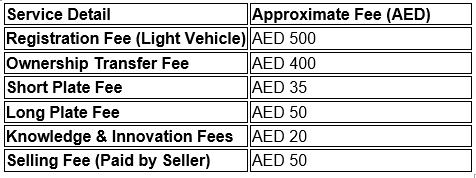
Payment options include credit card, Apple Pay, or the RTA e-Wallet. It is important to understand these costs as part of the process to register a car in Dubai in order to effectively negotiate a price with a seller.
Step 6: Receive Registration Card & Plates
Once the payment is made, the RTA officer will print your Mulkiya. This is a small, beige/gold card that serves as your vehicle’s passport. It has your plate number, VIN, car colour, and expiration date.
- Installing Plates: If your car is brand new, you will be given new plates. Most centres have a workshop where they will mount the plates on your car for a small fee or tip.
- The Sticker: stickers are given to people living in the UAE with the year of expiry to stick on their rear plate.
After receiving these documents, the final step is to confirm that you have completed all the required steps for registering a car in Dubai
Common Mistakes to Avoid
Even with a clear set of steps, we make mistakes. To avoid fall yourself in trouble, remember these points:
- Don’t Ignore Fines: One missed parking ticket can prevent your entire registration from going through.
- Check Tire Dates: As previously stated, tyres also have a “birth date” marked on them (e.g., 1221 indicates the 12th week of 2021). If your tyres are more than 5 years old, you will fail the inspection.
- Clear Mortgages Early: If you are selling a car with a bank loan, the bank must remotely discharge the mortgage within the RTA system before you can begin the process of registering a car in Dubai for the new owner. This takes 24-48 hours.
- Verify Specs: If you are importing a car, it must be GCC Specifications-compliant. If not, it may need a “Conformity Certificate,” which adds additional steps to the process of registering a car in Dubai.
Conclusion
Registering a vehicle in Dubai is a reflection of the city’s emphasis on technology and efficiency. Although the list of things to do seems to be quite wide, the process is actually very friendly. By following these steps to register a car in Dubai, you can ensure that your vehicle is scure your documents are in order, and your driving experience is stress-free.
It is always important to remember that your Mulkiya should always be in the car (or at least accessible on your phone).
FAQ
- What is the process of registering a car in Dubai?
To register a car in Dubai, you must first obtain valid insurance and, if the vehicle is used, pass a technical inspection at an authorised centre under the Roads and Transport Authority (RTA). Next, submit the required documents, such as Emirates ID, vehicle ownership papers, and insurance, either online through the RTA website/app or at a customer service centre. After paying the registration fees, you will receive your vehicle registration card (Mulkiya) and number plates.
- How much does it cost?
For a car, the registration fee is AED 500 for new vehicles and AED 420 for used ones. Other charges include the technical inspection charge of AED 170 and the opening of a traffic file, which costs AED 220 if you do not have one.
- How long does it take?
If you have aligned all the documents, then the procedure will be fast, taking between 2 and 4 hours at a service centre and a few minutes if done online. so to make ready your document is a basic steps and the time of the whole procedure depends on it.
- Can I own a car without residency?
No, you cannot own a car; you can purchase it, but you can’t get registered without a UAE ID card.so if you want to register a car, you must have an ID card of UAE.