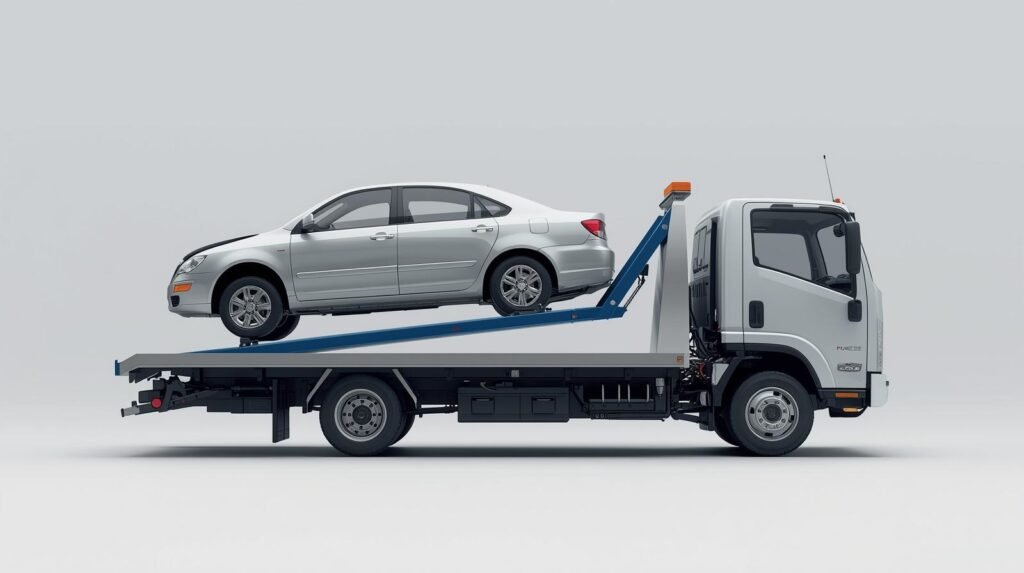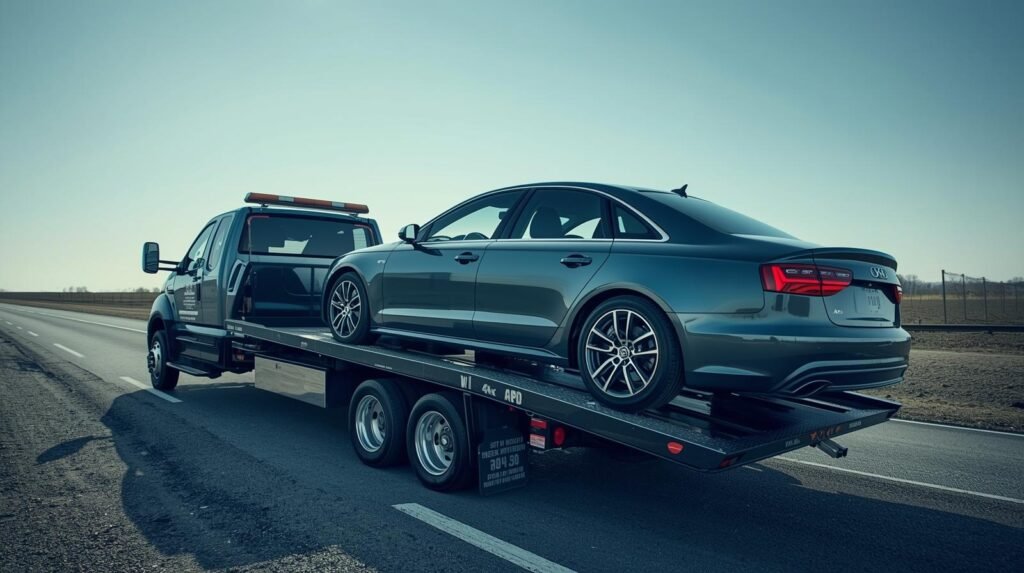
When a sedan breaks down on Sheikh Zayed Road, a standard flatbed arrives, loads the car, and the driver is on their way within minutes. But when a delivery van or heavy truck stops moving, the situation is entirely different.
Recovering a commercial vehicle requires heavy-duty wreckers, special permits, and a completely different approach to safety and planning. Understanding the difference between standard car towing and truck recovery in Dubai services can save your business time, money, and unnecessary headaches. This car recovery near me guide breaks down exactly what sets them apart.
Why Recovering a Truck in Dubai Is a Different Job Entirely
Many drivers assume that towing a truck is simply a matter of using a bigger tow truck. This assumption can be costly. The reality is that truck recovery in Dubai operations involve a completely different category of equipment, expertise, and regulatory compliance. From the moment a commercial vehicle breaks down to the moment it is safely delivered to a garage, every step of the process requires specialist knowledge that standard car towing simply does not demand.
The Equipment Divide: Standard Flatbeds vs Heavy Duty Wreckers
TThe most obvious difference between car recovery and truck recovery in Dubai lies in the equipment used for each job. A standard car recovery typically uses a flatbed truck with a capacity of 2 to 3 tons. This is perfectly adequate for sedans, SUVs, and even most luxury vehicles. The flatbed tilts to ground level, allowing the car to be winched or driven onto the bed with minimal effort.
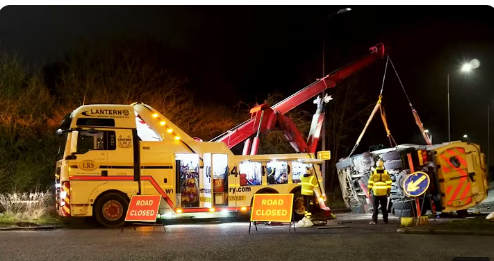
However, truck recovery in Dubai requires heavy-duty wreckers with capacities ranging from 10 to 50 tons or more. These specialist vehicles are built to handle the immense weight of commercial trucks, buses, and fully loaded delivery vans. A typical heavy wrecker is equipped with high-capacity winches, reinforced booms, and advanced hydraulic systems capable of pulling a disabled vehicle out of a ditch or uprighting an overturned truck. Without this heavy-duty equipment, a recovery attempt is not only futile but also dangerous.
Wreckers and High Capacity Winches Explained
The term wrecker is often used interchangeably with tow truck, but in the context of truck recovery in Dubai , a wrecker is a purpose-built machine for heavy-duty work. Unlike a standard flatbed, a heavy wrecker may feature a rotator crane that can lift and position a disabled truck from almost any angle. These machines are essential for recovering vehicles involved in serious accidents or those that have left the roadway. The winches on these wreckers are designed to pull enormous loads, often requiring multiple operators and careful coordination to execute a safe recovery.
Weight and Dimensions: Why Trucks Can’t Be Towed Like Cars
One of the primary reasons truck recovery in Dubai is fundamentally different from car towing is the sheer weight and size of the vehicles involved. A standard sedan weighs around 1.5 tons. A delivery van can weigh over 3.5 tons, while a fully loaded heavy truck can exceed 40 tons. Attempting to tow such a vehicle with a standard flatbed is not just ineffective; it is a serious safety hazard.
UAE law defines a heavy vehicle as any motorised vehicle designed to transport goods with an empty weight exceeding 2.5 tons. This legal distinction matters because it triggers different rules for operation, permits, and recovery. Exceeding legal weight limits for a towing vehicle is not just a safety hazard; it can also result in significant fines.
The UAE’s Cabinet Resolution on the Weights and Dimensions of Heavy Vehicles strictly regulates the maximum total and axle weights permitted on the road network. Violations can lead to administrative penalties. This is precisely why calling a standard car recovery service for a truck recovery in Dubai need is ineffective and potentially illegal.
Permits and Road Considerations for Heavy Recovery
Recovering a truck is not just about having the right equipment; it is also about navigating the legal landscape. For standard car towing, you typically call, the truck arrives, and the car is moved. There is usually no need for special permissions, police reports, or route planning. The entire process is straightforward and completed within minutes.
In contrast, truck recovery in Dubai often involves complex logistical planning. When a heavy vehicle needs to be moved, especially if it is carrying an oversized load, a special transport permit may be required from the Ministry of Energy and Infrastructure or the local competent authority. This permit process ensures the safe movement of the vehicle without damaging infrastructure or endangering other road users. The recovery team must also coordinate with Dubai Police in certain situations, such as when the vehicle is blocking traffic or involved in an accident.
Loading and Route Planning for Large Vehicles
Beyond permits, route planning is a critical aspect of truck recovery in Dubai that is often overlooked in standard car recovery. A standard car tow truck can take almost any route to reach its destination. However, a heavy recovery team must consider bridge heights, weight restrictions on certain roads, and areas with overhead cables. Dubai has several low bridges and tunnels that are not suitable for heavy vehicles, and a wrong turn could result in serious damage to infrastructure or the vehicle itself.
For standard car towing, the driver simply follows a GPS. For truck recovery in Dubai , the team must plan a route that can accommodate the size and weight of the disabled vehicle and the recovery truck itself. This expertise is what distinguishes a professional heavy recovery service from a general towing company. It is the difference between a smooth recovery and a catastrophic incident.
How Pricing Differs From Standard Car Towing
It is a common misconception that truck recovery in Dubai is just an expensive version of car recovery. The price difference reflects the significant increase in cost, risk, and expertise required. When you pay for a truck recovery, you are not just paying for a vehicle to be moved. You are paying for specialist heavy-duty equipment, skilled operators with commercial vehicle training, higher insurance premiums, and the administrative work involved in securing permits.
As a general benchmark, car recovery within Dubai can range from AED 200 to AED 400 for a local tow. However, a truck recovery in Dubai job, particularly for a heavy vehicle, will be substantially higher. This is due to several factors, including the specialised equipment required, the need for multiple personnel, and the higher insurance premiums associated with moving high-value commercial assets. The cost also reflects the risk involved. Recovering a heavy truck carries a much higher potential for damage or injury compared to towing a sedan.
The Impact of Downtime on Businesses
For a private car owner, a breakdown is an inconvenience. It disrupts the day, causes stress, and may lead to a late arrival at work or home. But the impact is limited to personal inconvenience. For a business that relies on a fleet of delivery vans or trucks, every minute a vehicle is off the road translates directly into lost revenue.
This is why truck recovery in Dubai services often operate with a different urgency. Fleet managers understand that the cost of a recovery is negligible compared to the cost of delayed deliveries, missed deadlines, and unhappy customers. A reliable truck recovery in Dubai provider will offer priority dispatch to commercial clients to minimise this downtime. They understand that their client’s business depends on speed and reliability, and they respond accordingly.
Minimising Downtime for Businesses
How can a business owner prepare for this? The answer lies in establishing a relationship with a truck recovery in Dubai provider before an emergency strikes. Waiting until a truck breaks down to search for a recovery company is a reactive approach that will almost certainly result in longer wait times and higher costs. Setting up a business account can ensure faster dispatch, monthly invoicing rather than upfront payment, and a guaranteed response time. This proactive approach is essential for logistics companies, construction firms, and any business that operates a fleet in Dubai.
Choosing a Provider With Heavy Recovery Experience
When your sedan breaks down, you can call almost any towing company. The stakes are relatively low, and the risk is minimal. However, for truck recovery in Dubai , you must choose a provider that specialises in heavy-duty towing. There are critical questions to ask before you need the service.
Does the provider have a heavy wrecker on standby at all times? Many companies claim to offer truck recovery but simply subcontract to another firm, adding delays and markups. Is the provider properly insured for commercial recovery? Standard towing insurance often does not cover heavy vehicles, and using an uninsured provider exposes you to significant liability. How does the provider handle the permitting process? A professional truck recovery in Dubai service will manage all necessary permits and paperwork, saving you time and stress. What is the provider’s response time for commercial clients? For businesses, speed is everything, and a provider that cannot guarantee a fast response is not worth the risk.
Conclusion
Recovering a truck in Dubai is not the same as towing a sedan. From the heavy-duty wreckers to the special permits and complex route planning, truck recovery in Dubai is a specialist field that requires a different level of expertise and equipment. For businesses, understanding these differences is not just about getting your vehicle back on the road; it is about protecting your bottom line. Every minute of downtime costs money, and a slow or incompetent recovery can have ripple effects that last for days. If you operate a fleet or drive a commercial vehicle, take the time to save a specialist truck recovery in Dubai contact before you need it. The peace of mind is well worth the effort.
Frequently Asked Questions
What equipment is used for truck recovery in Dubai?
For truck recovery in Dubai, heavy-duty wreckers with capacities of up to 50 tons, rotator cranes, and high-capacity winches are used. These are fundamentally different from the standard flatbed trucks used for car recovery, providing the power and reach needed to handle large commercial vehicles. The equipment is designed to safely lift, pull, and transport even the heaviest trucks and buses.
Do I need a permit for truck recovery in the UAE?
Yes, in many cases. Under UAE Cabinet Resolution No. 138 of 2023, a transportation permit is required for heavy vehicles if they exceed standard weight and dimensions. The permit process ensures the safe movement of the vehicle and protects infrastructure, making it a crucial part of professional truck recovery in Dubai services. A reputable provider will handle all necessary permits on your behalf.
Why is truck recovery more expensive than car towing?
The cost reflects the specialised equipment, higher manpower requirements, and increased insurance and permit costs. A typical car tow might cost a few hundred dirhams, but a truck recovery in Dubai job involves heavy wreckers, skilled operators, and significant logistical planning, which naturally carries a higher price tag. The increased risk and complexity also contribute to the higher cost.
Can a standard tow truck recover a delivery van?
Not typically. Most standard flatbeds are designed for vehicles weighing up to 2-3 tons. A loaded delivery van or small truck can significantly exceed this limit. Attempting to recover a heavy vehicle with inadequate equipment is dangerous and illegal. You need a specialist truck recovery in Dubai service with the right capacity to handle commercial vehicles safely.
How can businesses minimise truck breakdown downtime?
The best approach is to establish a partnership with a truck recovery in Dubai provider before a breakdown occurs. Setting up a business account can ensure priority dispatch, quicker response times, and more flexible invoicing. This proactive measure can save your business hours or even days of lost revenue, protecting your bottom line and keeping your customers satisfied.