The UAE’s vast deserts and rugged wadis offer some of the most exhilarating driving experiences in the world. But these stunning landscapes can quickly turn treacherous for the unprepared. A moment of distraction, a wrong turn, or a sudden soft patch of sand can leave even the most capable 4×4 stranded.
That is why understanding off-road recovery in the UAE is not just for enthusiasts; it is for anyone who ventures beyond the tarmac. This guide of car recovery near me covers the essential equipment, proven techniques, and critical safety rules that will keep you and your vehicle safe when things go wrong.
A Practical Overview of Off-Road Recovery in the UAE
Off-road driving in the UAE is a thrilling adventure, but it comes with inherent risks. The shifting sands of the Rub Al Khali, the rocky terrain of the Hajar Mountains, and the unpredictable wadis all present unique challenges. While modern 4×4 vehicles are incredibly capable, they are not invincible. Getting stuck is not a matter of if, but when. The key to a safe and stress-free experience lies in your preparation and knowledge of off-road recovery techniques in the UAE.
Common Off-Road Recovery Scenarios in the UAE
Before diving into equipment and techniques, it helps to understand the most common situations that require off-road recovery in the UAE. Each scenario presents its own challenges and requires a slightly different approach.
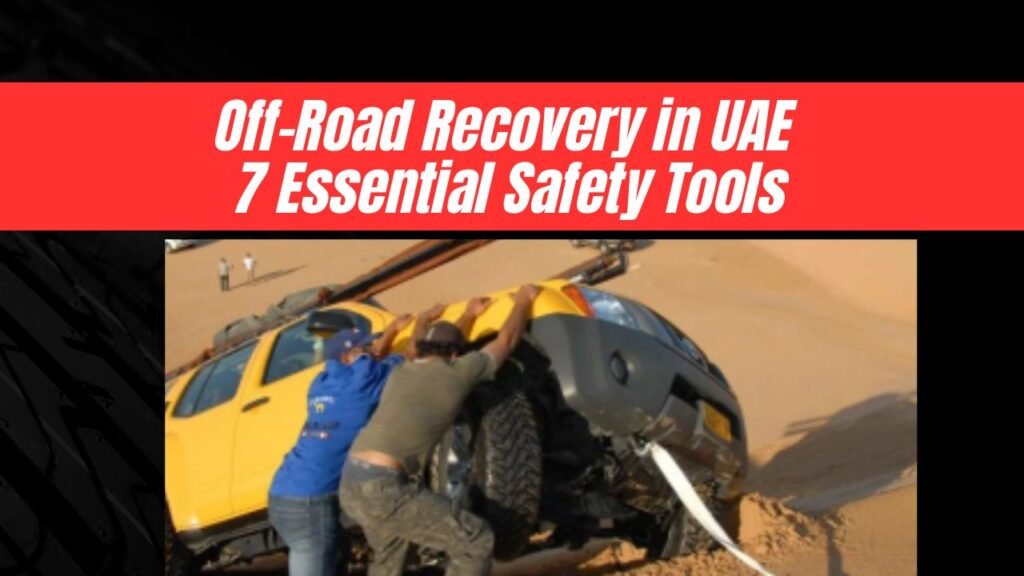
The most frequent recovery scenario in the UAE is soft sand. Desert driving is a staple of UAE life, and even experienced drivers can get caught out by a sudden drop in tyre pressure or a misjudged dune crossing. The key to sand recovery is understanding that accelerating out will almost always make the situation worse.
Rocky wadis present a different challenge. These dry riverbeds are filled with loose rocks of all sizes. A vehicle can easily become high-centred on a large rock or get its differential caught on a protruding boulder. Recovery in these situations requires careful jacking and the use of traction boards.
Mud and wet ground are less common in the UAE but can occur in wadis after sudden rainfall. The clay-like mud that forms in these areas is incredibly slippery and can trap a vehicle just as effectively as soft sand. Recovery from mud requires patience and the right equipment to prevent further sinking.
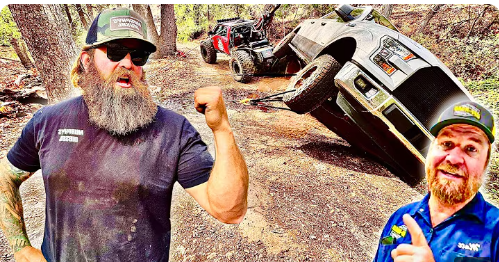
Finally, ditch and embankment extractions occur when a driver misjudges the edge of a track or loses control on a descent. These recoveries are among the most dangerous and often require professional assistance due to the risk of vehicle rollover. Understanding these scenarios is the first step in mastering off-road recovery in the UAE.
Essential Recovery Equipment Every 4×4 Should Carry
Having the right equipment is the foundation of safe off-road recovery in the UAE. A well-stocked recovery kit can mean the difference between a quick self-recovery and an expensive, time-consuming call for help. Here is the essential gear every off-roader should carry.
First on the list are traction boards. These sturdy plastic or composite boards are placed under the drive wheels to provide grip in sand, mud, or snow. They are simple to use, lightweight, and incredibly effective for off-road recovery in the UAE situations involving soft ground.
A rated recovery point is another non-negotiable item. Every 4×4 should have both front and rear recovery points that are specifically rated for the vehicle’s weight. These points are designed to handle the forces involved in a recovery. Using non-rated points like tow balls or tie-down hooks is incredibly dangerous and can turn a simple recovery into a deadly accident.
Snatch straps are essential for kinetic recovery. Unlike a tow strap, a snatch strap is designed to stretch and store energy, creating a dynamic pulling force that can yank a stuck vehicle free. When used correctly, they are one of the most effective tools for off-road recovery in the UAE in sand.
A tyre deflator and a portable air compressor are also crucial. Reducing tyre pressure from road levels to around 15-18 PSI dramatically increases your vehicle’s flotation on sand, reducing the likelihood of getting stuck in the first place. The compressor is essential for re-inflating your tyres once you are back on the road.
A shovel is a simple but invaluable tool. It allows you to clear sand or mud away from your tyres and undercarriage, making recovery significantly easier. Finally, a quality winch mounted to your vehicle’s front bumper provides the ultimate self-recovery capability, provided you have the knowledge to use it safely.
Traction Boards and Tyre Deflation Explained
Traction boards and tyre deflation are two techniques that go hand in hand in off-road recovery in the UAE. When you feel your vehicle starting to lose momentum in sand, stopping immediately and deflating your tyres can often prevent you from getting fully stuck. The reduced tyre pressure increases the surface area of your tyres, allowing them to float over the sand rather than dig into it.
If you do become stuck, traction boards are deployed. You simply dig a small channel in front of your drive wheels, place the boards in the channel, and drive forward. The boards provide a solid surface for your tyres to grip, allowing you to drive out of the soft sand. This simple technique is one of the most effective and safest methods of off-road recovery in the UAE.
Rated Recovery Points and Why They Matter
Rated recovery points are perhaps the most overlooked but most critical component of safety for off-road recovery in the UAE. A recovery point is a bracket or loop attached to your vehicle’s chassis. The keyword here is “rated.” This means the point has been tested and certified to withstand a specific load.
Many 4x4s come with factory recovery points, but some are only suitable for light-duty towing. For serious off-road recovery in the UAE, you should have points that are rated to at least three times your vehicle’s gross weight. This safety margin accounts for the dynamic forces that occur during a snatch recovery. Attempting to use non-rated points like a tow ball can result in the point snapping and becoming a deadly projectile.
Safety Rules Around Straps and Winches
Safety should be your primary concern during any off-road recovery attempt in the UAE. The forces involved in pulling a stuck vehicle are enormous, and a failure can result in serious injury or death.
The first rule of recovery safety is to stay clear of the danger zone. When a snatch strap or winch cable is under tension, it can snap or detach with explosive force. Everyone not directly involved in the recovery should stand at a distance equal to at least twice the length of the strap.
Using a recovery damper or blanket is also essential. This is a heavy piece of fabric placed over the middle of a snatch strap or winch cable. If the strap snaps, the damper absorbs the energy and causes the strap to drop to the ground rather than flying through the air. It is a simple but effective safety device for off-road recovery UAE situations.
When using a winch, always place a heavy blanket or winch dampener over the cable. Never stand near a loaded winch line. Use a tree trunk protector or equivalent to create a solid anchor point. And always communicate clearly with your recovery team using hand signals or radios before any pull begins.
When to Call a Professional Instead
While self-recovery is often possible, there are times when the safest option is to call a professional off-road recovery service in the UAE. Knowing your limits is a sign of experience, not weakness.
You should call a professional if your vehicle is tilted dangerously to one side. The risk of a rollover during a self-recovery attempt is high, and the consequences can be catastrophic. Similarly, if you have attempted recovery multiple times without success, you are likely making the situation worse. The sand around your tyres becomes deeper and more compacted, making recovery harder.
If you are alone or the only vehicle in your group, it is generally safer to call for help. A self-recovery attempt requires at least two people for safety. Additionally, if you have no recovery equipment or your equipment is damaged, leave the job to a professional off-road recovery in the UAE with the right gear and expertise.
Group Driving Safety Practices
The best way to avoid needing off-road recovery in the UAE is to adopt safe group driving practices. Never off-road alone. The UAE’s deserts are vast, and a breakdown or recovery attempt is significantly more dangerous without a second vehicle for support.
Always designate a lead vehicle and establish clear communication protocols. Agree on radio channels and hand signals before you start driving. Share your planned route and expected return time with someone outside the group. This provides a safety net if you lose communication.
Maintain a safe distance between vehicles, especially during hill climbs and descents. If the vehicle in front gets stuck, you need enough room to stop safely and provide assistance. Always remember to carry more water, food, and fuel than you think you need.
Final Thoughts
Off-road driving in the UAE is an incredible experience, but it demands respect for the environment and proper preparation. Mastering off-road recovery in the UAE is about more than just getting unstuck. It is about safety, responsibility, and ensuring every adventure ends with a smile. Invest in quality equipment, learn the techniques thoroughly, and always know when to call a professional. Your safety and the safety of your passengers depend on it.
Frequently Asked Questions
What is the most common off-road recovery situation in the UAE?
Soft sand recovery is the most common off-road recovery UAE scenario. The UAE’s desert sands can be unpredictable, and even experienced drivers get stuck. Proper tyre deflation and the use of traction boards are usually the most effective solutions for this situation.
What recovery equipment should I carry in my 4×4?
Every vehicle should carry traction boards, a snatch strap, rated recovery points, a tyre deflator, a portable air compressor, and a shovel. For serious off-road recovery UAE needs, a winch and recovery dampener are also recommended. Always carry more equipment than you think you need.
Is it safe to use a tow ball for recovery?
No. Using a tow ball for off-road recovery UAE is extremely dangerous. Tow balls are not rated for the dynamic loads involved in recovery and can snap under pressure, becoming lethal projectiles. Always use factory rated or aftermarket rated recovery points.
When should I call a professional recovery service instead of self-recovering?
You should call a professional off-road recovery UAE service if your vehicle is tilted dangerously, you are alone, you have attempted multiple unsuccessful recoveries, or you lack the proper equipment. Never risk your safety to save a few dirhams on a professional recovery.
What is a snatch strap and how does it work?
A snatch strap is a kinetic recovery strap designed for off-road recovery UAE situations. Unlike a tow strap, a snatch strap stretches under load, storing energy. When the pulling vehicle moves forward, the strap snaps back, creating a dynamic force that yanks the stuck vehicle free. Always use a recovery dampener for safety.