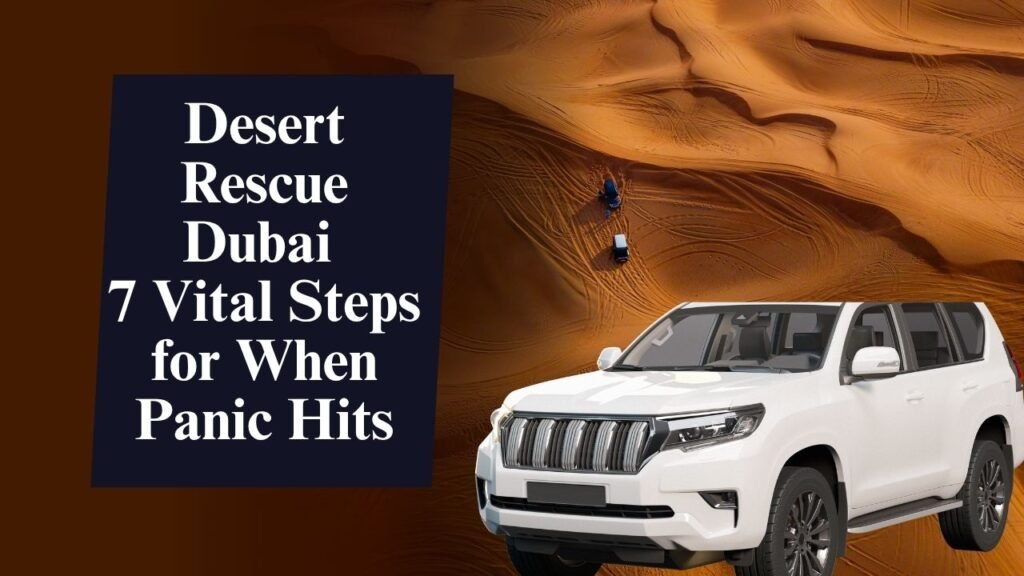
Getting stuck far from the road can feel frightening, especially when the sun is hot and the sand looks endless. In a desert rescue Dubai situation, the best move is not panic. It is to stay calm, protect everyone inside the vehicle, and make the right decisions one by one.
This professional car recovery guide explains exactly what to do if your vehicle gets stuck off road near Dubai. It also shows how to stay visible, how to avoid making the problem worse, and when to call for help without delay.
Why Desert Rescue Dubai Situations Happen
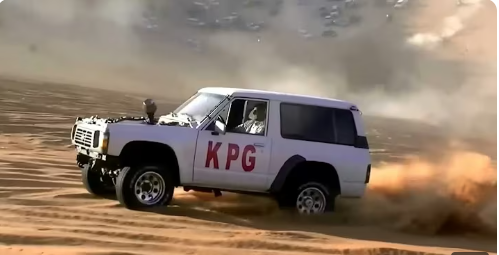
A desert dubai rescue call often starts with a simple mistake, not a serious disaster. Many drivers underestimate how soft the sand becomes after the tires sink in. Others stop on an incline, take a wrong turn, off road emergency at night, and sometimes keep accelerating until the tires dig deeper.
Even experienced drivers can end up stranded if tire pressure is not right or if the vehicle enters loose sand too fast. The good news is that many of these situations can be managed safely if the driver reacts the right way from the start or calls for professional car recovery help.
What to Do in the First Minutes
The first minutes matter more than most people think. A calm response can protect the car, reduce danger, and make the rescue faster.
- Stop pressing the accelerator so the tires do not sink further.
- Put the vehicle in a safe gear or park mode and keep the steering steady.
- Turn on hazard lights so the vehicle is easy to spot.
- Check on everyone inside the car and keep the cabin as cool as possible.
- Share your exact location with the rescue team as soon as you can.
If you are in a desert rescue Dubai situation, these small actions can save time and reduce stress before help arrives.
Why Location Sharing Matters So Much
A rescue team can only move quickly if they know where you are. The desert can look similar in every direction, so vague directions are not enough. A live pin from your phone is better than a text description, and a screenshot of your map can help too.
When sharing your location, include the nearest road, dune landmark, or desert entry point you remember. If you were driving with others, ask one person to keep checking the location while another speaks to the recovery team. In a desert rescue Dubai case, clear location details often make the biggest difference in response time.
How to Stay Safe While You Wait
Waiting in the desert is easier when you focus on comfort and visibility. Stay inside the vehicle if the weather is extremely hot, dusty, or windy. The car gives shade and helps protect you from exposure.
Keep the doors closed unless you need to signal or check outside. If you step out, stay close to the vehicle so the team can find you quickly. Place a bright cloth or reflective item where it can be seen from a distance if you have one available.
This is also the time to save energy. Do not keep trying to drive out again and again, because that usually buries the tires deeper and makes the desert rescue Dubai job harder for everyone.
What Not to Do
A stuck vehicle can become a bigger problem when the driver reacts too fast. Do not spin the wheels aggressively. Do not keep pressing the gas pedal in hopes of breaking free. Do not let people push from unsafe angles if the sand is unstable.
It is also a mistake to attach recovery equipment without proper knowledge. A wrong pull point can damage the car or cause injury. If the vehicle is buried deep, has a lowered body, or is carrying passengers who feel unwell, it is better to wait for the right equipment than to guess.
In many desert rescue Dubai calls, the biggest damage happens after the original mistake, not because of the original stuck moment.
How a Rescue Team Usually Handles It
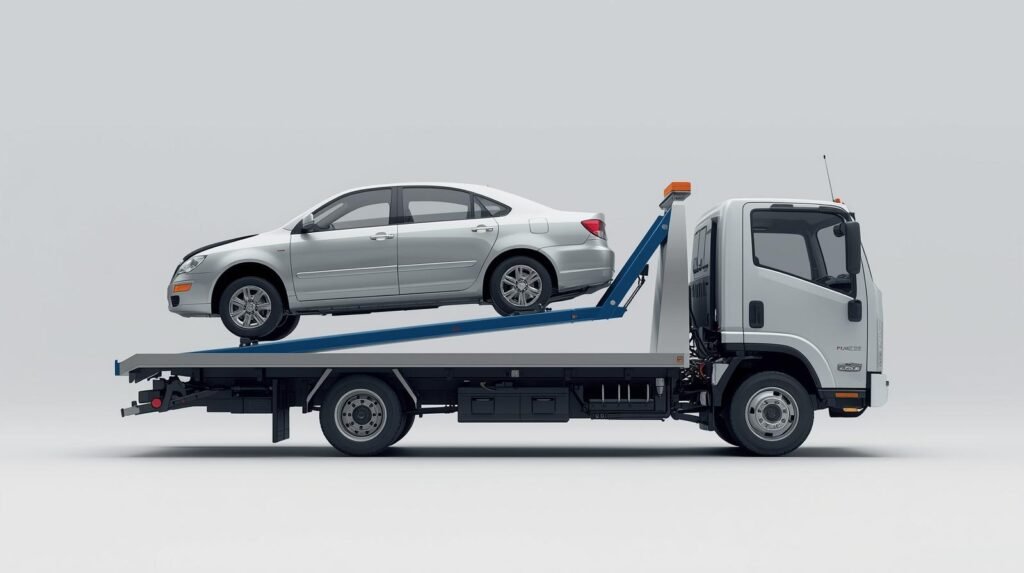
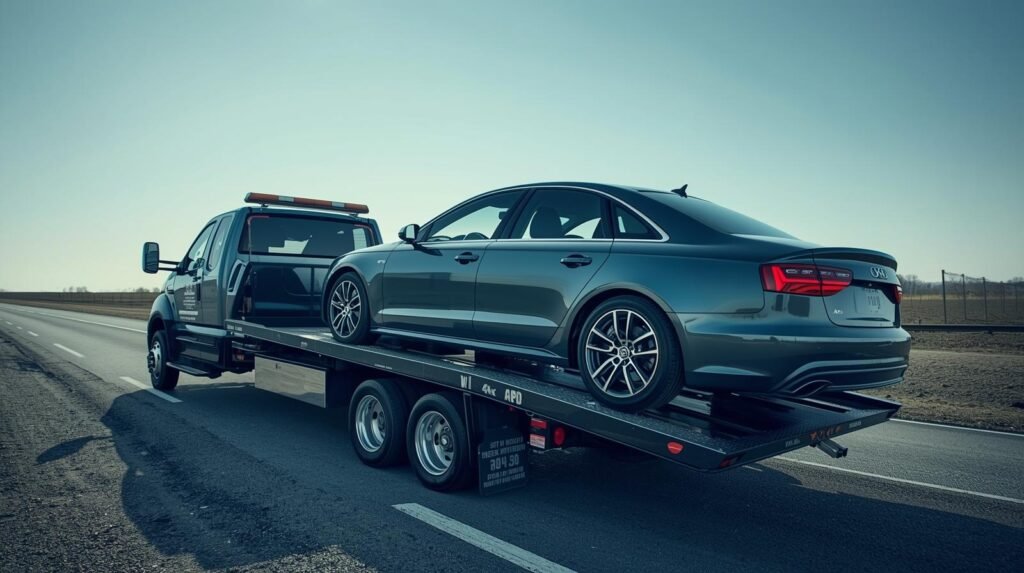
Once help arrives, the team will normally assess the sand condition, the vehicle position, and the safest extraction direction. They may use a recovery vehicle, a winch, traction aids, or a controlled pull depending on how deeply the car is stuck.
The goal is not to yank the car out quickly. The goal is to recover it in a way that protects the underbody, suspension, bumper, and tires. Good operators also check whether the wheels need to be straightened or whether some sand must be cleared first.
A proper desert rescue Dubai service is about control, not speed alone. Fast work matters, but safe work matters more.
Simple Habits That Reduce Future Risk
A few small habits can make a huge difference the next time you go off road. Lowering tire pressure when appropriate, carrying basic recovery tools, and driving with enough momentum all help. So does knowing the route before entering the sand.
It also helps to travel with another vehicle when possible. A second car gives extra support, better communication, and more flexibility if one vehicle gets stuck. Drivers should also avoid pushing deep into unfamiliar terrain when daylight is fading or when fuel is already low.
If you make desert trips often, learn from each trip. The more you understand the sand, the less likely you are to need a desert rescue Dubai call in the first place.
When You Should Call for Help Immediately
Some situations are too risky to manage alone. Call for help right away if the vehicle is deeply buried, if the wheels are spinning with no movement, if the sand is too soft to walk safely, or if anyone inside the car feels weak, dizzy, or overheated.
You should also call immediately if the vehicle is on a slope, near a drop, or in an area where you cannot keep it stable. The same is true if you do not have the right gear or if the weather is getting worse.
A smart desert rescue Dubai decision is often the one that prevents a small problem from becoming a long and expensive one.
Why Staying Calm Changes the Outcome
Calm drivers make better decisions. They share clearer location details, avoid damaging the car, and speak more clearly to the rescue team. That is why staying composed is one of the most useful skills in any off road emergency.
Even when the situation feels stressful, remember that desert recoveries happen every day. The key is not to fight the sand. The key is to protect people first, protect the vehicle second, and let the right equipment do the hard work.
Final Thought
A desert rescue Dubai moment can feel intimidating, but it does not have to turn into a disaster. If you stop, stay visible, share your location, and wait for the right help, you give yourself the best chance of a safe recovery.
The desert rewards patience, preparation, and good judgment. When you know what to do, you are already halfway to getting out safely.
Frequently Asked Questions
1. What is the first thing to do in a
desert rescue Dubai
situation?
The first step is to stop trying to force the car out. Keep the vehicle steady, turn on the hazard lights, and share your location with a recovery team. That keeps the car from sinking deeper and helps rescuers find you faster.
2. Should I exit the car if I get stuck in the desert?
Usually, it is safer to stay inside the vehicle unless there is a real danger inside the cabin. The car gives shade and makes you easier to locate. If you do step out, stay close to the vehicle and do not wander away.
3. Why does spinning the wheels make things worse?
Spinning the wheels digs them deeper into the sand and reduces traction. The more the tires sink, the harder recovery becomes. In many cases, the fastest way to make progress is to stop and wait for the correct rescue method.
4. How do I share my location for a faster recovery?
Use a live pin from your phone and send it through the app you can open most easily. Add details like the nearest road, dune, or desert entry point. Clear location sharing can save a lot of time in a desert rescue Dubai call.
5. When should I stop trying to get out on my own?
Stop as soon as the vehicle is not moving and the tires are digging in more with each attempt. If the sand is very soft, the slope is unsafe, or the weather is becoming harsh, it is better to call for help right away. That usually protects both the car and the people inside.